
From Pasta to Proficiency: Learn Italian Through Cooking


Learning a new language can be a rewarding challenge, and combining it with something enjoyable, like cooking, makes the process even better. Italian cuisine offers an exciting way to pick up food-related vocabulary and phrases while indulging in delicious meals.

By following Italian recipes and using the language in a real-world setting, learners can gradually build their proficiency while increasing their appreciation for Italy's culinary traditions.

Keep reading to discover how cooking can turn your Italian lessons into a flavorful learning experience.

Cooking as a Language Learning Tool

Cooking has a deep connection to language. Cooking provides a hands-on approach to learning Italian, where learners can connect the words they’re reading with the ingredients and techniques they’re using. Recipes in Italian often include common food-related terms, such as pomodoro (tomato), olio (oil), and farina (flour). While preparing dishes, learners can practice pronouncing these words and integrate them into their vocabulary.

For beginners, starting with basic recipes like pasta or risotto helps familiarize them with fundamental cooking terms. As they prepare these dishes, learners will come across words that they can use both in the kitchen and in conversations. 

Learn Essential Food Phrases

Italian cuisine has a strong connection to its culture, making it a great entry point for language learning. Phrases like Che cosa vuoi mangiare? (What do you want to eat?) and Mi piace cucinare (I like to cook) can be used in everyday contexts. By practicing these phrases while cooking or dining, learners build a natural understanding of the language.

When learning food phrases, learners can focus on terms used for ordering food at restaurants or discussing ingredients. Phrases such as Vorrei un caffè, per favore (I would like a coffee, please) or Quanto costa questa pizza? (How much is this pizza?) give practical knowledge that can be useful during trips to Italy or interactions with Italian speakers.

Use Italian Recipes as Learning Resources
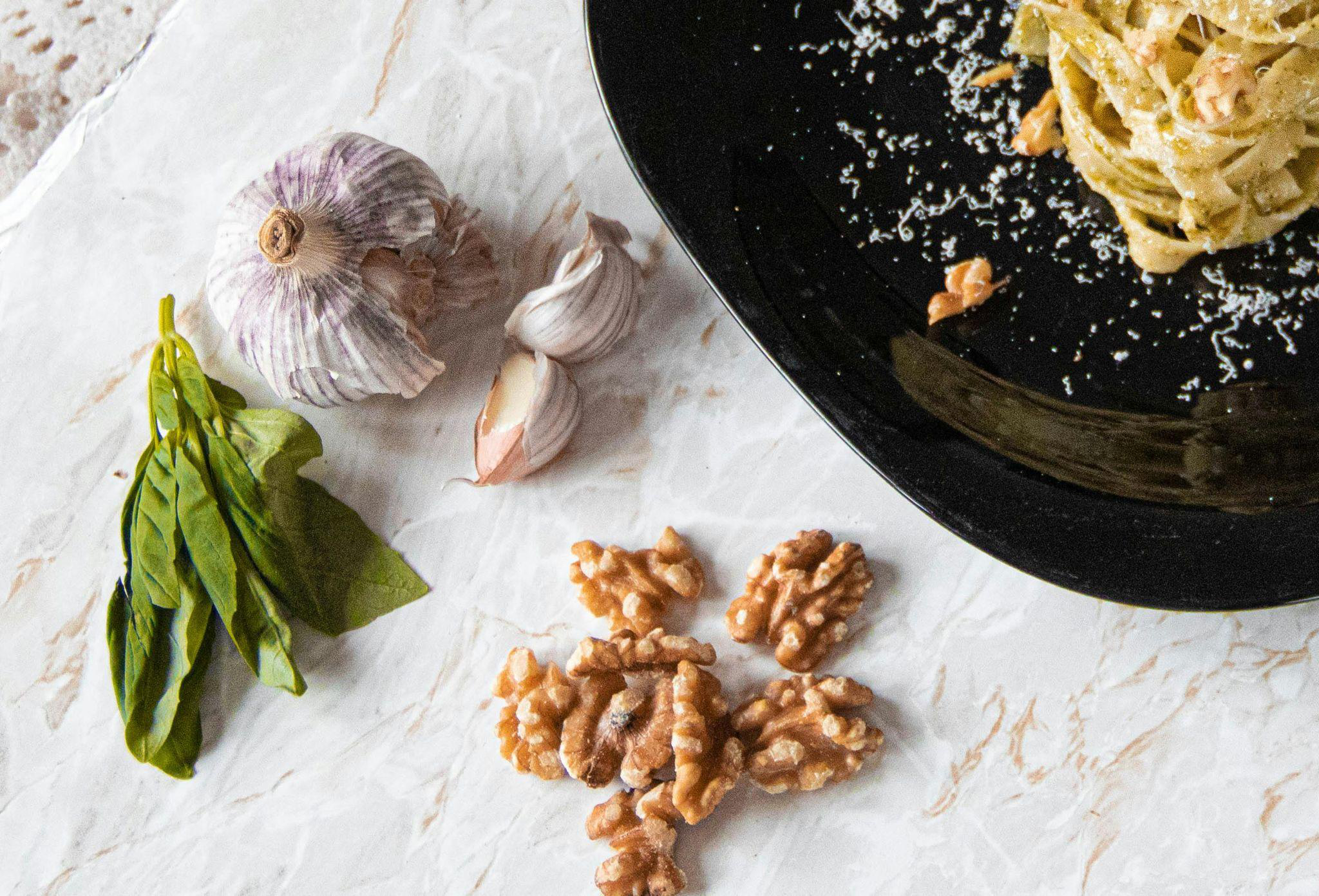

Using Italian-language cookbooks or recipe websites offers an immersive learning experience. Reading and following recipes in Italian forces learners to apply their knowledge and helps with retention. For example, a simple recipe for spaghetti alla carbonara could teach learners verbs like mescolare (to mix) or bollire (to boil).

Moreover, many cooking videos are available in Italian, allowing learners to both hear and see the language in action. This combination of reading, watching, and practicing provides a comprehensive approach to language learning.

Build Confidence Through Practice

The more learners engage with Italian while cooking, the more confident they’ll become. Cooking offers a low-pressure environment where they can make mistakes, learn from them, and improve over time. With each dish prepared and each word learned, learners gradually build their understanding of the language.

Learn Italian Through Cooking With Journey Language Center

Learning a language doesn’t have to be boring. At Journey Language Center, we make mastering new languages like Italian and Spanish both enjoyable and practical. 

Whether you're looking to join Italian classes in Denver or expand your skills with Spanish classes in Denver, Colorado, we offer language programs designed to fit your learning style and skill level.  

Contact us at Journey Language Center, and start speaking with confidence. Start today and discover the joy of learning—Benvenuto or Bienvenidos!

Espresso Yourself: Ordering Coffee Like a Pro in French

Picture this: you walk into a charming Parisian café, and the aroma of freshly brewed coffee envelops you.

You approach the counter, but wait—how do you confidently place your order in French?

Fear not! This guide will equip you with the phrases and skills you need to order coffee like a local and engage in delightful small talk.

Mastering the Basics

To begin, familiarize yourself with the basic French vocabulary related to coffee. Here are some key terms:

● Un café: A coffee (usually a small, strong espresso)

● Un café au lait: Coffee with milk

● Un cappuccino: A cappuccino

● Un chocolat chaud: Hot chocolate

● Un thé: Tea

Knowing these terms will give you a solid foundation. When you enter the café, greet the barista with a friendly “Bonjour!” (Hello!). This simple gesture goes a long way in French culture and helps you learn from real life scenarios.

Placing Your Order

Now that you’re ready, let’s focus on how to order. A confident approach can set the tone for a pleasant interaction. You might say:

Je voudrais un café, s’il vous plaît.” (I would like a coffee, please.)

If you prefer milk in your coffee, you can say:

Je voudrais un café au lait, s’il vous plaît.” (I would like a coffee with milk, please.)

Don’t forget to express gratitude after your order:

Merci beaucoup!” (Thank you very much!)

Engaging in Small Talk

Small talk can improve your experience in a café. Once you’ve placed your order, feel free to engage with the barista or fellow patrons. Here are some conversation starters:

● “Comment ça va?” (How are you?)

● “Il fait beau aujourd’hui, n’est-ce pas?” (It’s nice today, isn’t it?)

● “Vous aimez ce café?” (Do you like this café?)

Using these phrases not only shows your interest but also helps you practice your French conversational skills. Most locals appreciate your effort to speak their language.

Adding Personal Touches

To personalize your order, consider these options:

● “Je voudrais un café, mais avec un peu de sucre.” (I would like a coffee, but with a little sugar.)

● “Je préfère un cappuccino avec de la vanille.” (I prefer a cappuccino with vanilla.)

These additions can elevate your coffee experience and create more opportunities for interaction. The barista might ask if you’d like to try a specific pastry that pairs well with your drink—take the chance to say yes or ask for recommendations!

Perfect Your French Coffee Order With Journey Language Center

Ordering coffee in French can lead to great conversations and enrich your cultural experiences. At Journey Language Center, we believe in empowering you to engage confidently in any café setting, whether you’re mastering the art of small talk or perfecting your pronunciation.

If you're ready to improve your language skills, our French lessons in Denver, Colorado, are designed to help beginners learn French with ease. Whether you seek private lessons or group sessions, we offer a supportive environment to help you thrive.

Contact us and learn French in Denver to immerse yourself in the beauty of the French language and culture.

Salsa and Spanish: Dancing Your Way to Fluency


two dancers on bridge

Learning a new language can sometimes feel overwhelming, especially when traditional methods like textbooks and grammar drills don’t engage your interest. What if you could blend language learning with something fun and rhythmic like salsa dancing? Salsa, a dynamic and culturally rich dance form originating from Latin America, offers an immersive way to learn Spanish through movement, music, and culture. By combining language learning with this lively dance, you can experience Spanish in an authentic, enjoyable, and practical context.

Salsa as Cultural Immersion

Salsa is more than just a dance—it's a cultural expression of the vibrant Latin American communities, especially from countries like Cuba, Colombia, and Puerto Rico. When learning salsa, you're exposed to not only the physical movements but also the rich history, traditions, and music that accompany it. The songs often carry narratives filled with emotion, everyday stories, and expressions in Spanish, offering learners a unique way to connect with the language. Listening to the lyrics, feeling the rhythm, and understanding the cultural context allows you to naturally absorb vocabulary and improve your comprehension.

Learning Spanish Through Dance

Imagine learning phrases like “gira a la izquierda” (turn to the left) or “muévete con el ritmo” (move with the rhythm) while following a salsa routine. Salsa classes often teach steps in both English and Spanish, providing a dual-language experience. As you engage in the dance, you’re subconsciously learning key vocabulary related to movement, body parts, emotions, and everyday interactions. This immersion in real-time language practice helps with retention far better than rote memorization. Furthermore, salsa songs typically repeat phrases and sentences, which can solidify your grasp of certain expressions, making them easier to remember.


a couple in costumes

The Role of Music in Language Learning

Music is a powerful tool in language acquisition. Salsa songs are often upbeat, repetitive, and full of passion, making them perfect for reinforcing new words and phrases. The rhythmic patterns in salsa music can aid in understanding the flow of the Spanish language, helping learners get comfortable with pronunciation, intonation, and even slang. Whether it's the smooth crooning of Cuban son or the energetic beats of Colombian salsa, you'll start recognizing common words and expressions, building your vocabulary without even realizing it. Studies show that learning through music is effective because it taps into the brain's natural ability to remember patterns.

Salsa Lessons: A Social Approach to Language Learning

One of the most beneficial aspects of combining salsa and Spanish learning is the social environment. Dancing salsa often involves group lessons or social dance events, which create opportunities for real-time conversations in Spanish. Whether you're greeting your dance partner with a friendly "¡Hola!" or discussing music preferences after a session, salsa classes provide a practical, low-pressure setting to practice speaking and listening. This interactive form of learning can boost your confidence in speaking Spanish and help break down the mental barriers of language anxiety. Plus, since salsa is such a joyful activity, you’re likely to feel more motivated to keep learning.

Integrating Salsa into Your Spanish Language Journey

Many language programs now offer innovative ways to integrate dance and language learning. Some, like the Fluenz immersion programs, offer salsa sessions alongside intensive Spanish courses to enhance both cultural understanding and fluency. You can also find online programs and podcasts that combine Spanish lessons with Latin music, helping you learn while moving to the beats of salsa. Engaging with salsa gives you an authentic, immersive experience that books or apps alone may not provide. It’s a dynamic and enjoyable way to not only learn the language but also connect deeply with its cultural roots.

Salsa offers more than just a way to learn a new skill—it’s a gateway into the world of Latin American culture and the Spanish language. By combining the physicality of dance with the intricacies of Spanish, you can create a deeply immersive learning experience. Whether you’re swaying to the rhythm, picking up new vocabulary from a salsa song, or socializing at a salsa event, every step brings you closer to fluency.

Enroll Today!

Whether you're planning a trip to Mexico or Cuba, need Spanish for work, or just want to enjoy your favorite telenovelas, Journey Language Center offers tailored programs to meet your goals. We provide Spanish language classes in Denver and Boulder for all ages. You can choose private Spanish lessons in Boulder or join us online.

Call now to learn more!

Croissants and Conversations: Mastering French Through Everyday Life

mother and daughter having breakfast

Learning French is more than just memorizing vocabulary or studying grammar—it’s about immersing yourself in the language through everyday activities. Incorporating French into your daily routine is one of the most effective ways to achieve fluency, as it allows you to learn in real-life contexts while developing practical skills. Below are some tips and strategies to help you master French, from ordering croissants to engaging in everyday conversations.

1. Start with Simple Interactions

Incorporating French into your daily routine can be as simple as starting small interactions throughout the day. For example, when visiting a café or bakery, practice ordering in French. A typical exchange at a French bakery could go like this:

· "Bonjour ! Je voudrais un croissant, s'il vous plaît." (Hello! I would like a croissant, please.) This kind of practice not only helps with pronunciation but also boosts your confidence when speaking in public​.

Similarly, when dining out, try ordering in French. Use phrases like "Je vais prendre le plat du jour" (I’ll take the dish of the day) or "L'addition, s'il vous plaît" (The bill, please). These everyday encounters provide a low-pressure environment to hone your speaking skills​.

2. Engage in French Conversations

Conversations are key to mastering French. Whether it’s talking to yourself in French, chatting with a language partner, or engaging with friends who speak the language, the goal is to make speaking French a natural part of your day. For instance, you can ask for directions in French when navigating a new area:

· "Excusez-moi, où est la boulangerie la plus proche ?" (Excuse me, where is the nearest bakery?) Practicing this type of dialogue enhances your ability to understand and respond in real-time.


a teacher and student

3. Switch to French Media

A powerful tool for language immersion is switching to French media. Watch French movies or TV shows with subtitles, or better yet, without them to test your comprehension. French films not only expose you to conversational nuances but also immerse you in the cultural aspects of the language. In addition, listening to French podcasts or radio while commuting is an excellent way to improve your listening skills and pronunciation.

You can also change the settings on your phone and social media platforms to French. This small adjustment forces you to engage with the language daily, learning new words and phrases in context​.


students talking to each other

4. Create a French Environment at Home

To take your immersion a step further, consider labeling everyday items in your home with their French names. For example, stick a note on your refrigerator that says "le réfrigérateur" or label your desk as "le bureau." This visual reminder helps reinforce vocabulary. You could also write your shopping lists in French or create daily to-do lists using French verbs and phrases.

5. Build Vocabulary Through Reading and Writing

Reading French newspapers, blogs, or books can significantly enhance your vocabulary. Start with children’s books or simple articles, and as you build confidence, transition to more complex texts. Writing in French—whether through journaling or making notes—also reinforces learning. You can begin by writing a few sentences each day about your routine or experiences.

6. Make Small Talk and Ask Questions

Mastering small talk is essential to feeling more at ease in French conversations. Begin with simple greetings like "Salut, comment ça va ?" (Hi, how are you?) or more casual phrases like "Ça fait longtemps !" (It’s been a long time!). These expressions build rapport in casual settings. Also, asking questions like "Où sont les toilettes, s'il vous plaît ?" (Where is the bathroom, please?) will help you get comfortable with navigating conversations.

7. Consistent Daily Practice

The key to language mastery is consistency. Incorporating small, manageable French-learning sessions into your day makes the process less overwhelming. Set aside 10-15 minutes daily for language drills, like reviewing vocabulary, writing a few sentences, or listening to a French podcast. Even brief interactions can significantly improve your fluency over time.

Learn French in Denver with Journey Language Center

Ready to take your French to the next level? With our program to learn French in Denver, you'll be amazed at how quickly you can converse. Whether you're preparing for a trip or an exam, our French lessons in Denver are designed to help you seamlessly integrate French into your life.

Call now to start your language journey!