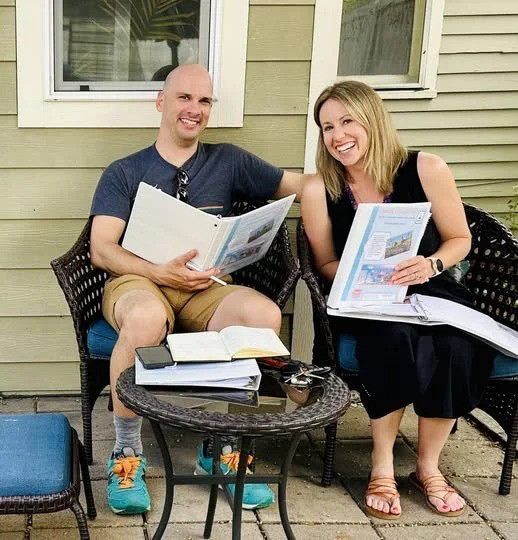
Learning a new language is more effective when students actively engage with one another. European Portuguese classes that emphasize small group collaboration offer an environment where learners can practice speaking, receive feedback, and build confidence. Working closely with classmates accelerates fluency and reinforces understanding in ways that independent study often cannot replicate.
Encouraging Active Participation
Small group settings naturally encourage participation. Students are more likely to speak up, ask questions, and share ideas than in large classes. This active involvement allows learners to practice pronunciation, sentence structure, and vocabulary in a supportive environment, helping them internalize new concepts more effectively.
Learning Through Peer Feedback
Peer collaboration provides an opportunity for immediate feedback. Classmates can offer corrections and suggestions during conversations, which reinforces learning. This interactive approach allows learners to identify and correct mistakes quickly, creating stronger language habits and boosting overall fluency.
Developing Conversation Skills
Communicating in real-time with peers mirrors authentic language use. Role-playing, debates, and collaborative exercises in European Portuguese classes give students practice navigating everyday situations. These activities help learners respond spontaneously, improving both comprehension and conversational agility.
Building Confidence
Speaking a new language can be intimidating, but small group collaboration reduces anxiety. Working in a safe, supportive group allows learners to experiment with new words and structures without fear of judgment. As students practice together, confidence grows, making it easier to communicate in real-world situations.
Encouraging Cultural Awareness
Collaboration also exposes learners to cultural nuances. Group discussions often include exploration of gestures, idioms, and social norms relevant to Portuguese-speaking communities. Understanding these cultural elements enhances communication and ensures that students interact appropriately in both personal and professional contexts.
Motivation and Accountability
Small groups create a sense of community and accountability. Students are motivated to prepare for classes and participate actively to contribute to group exercises. Watching peers progress can also inspire learners to challenge themselves, maintaining consistent effort and dedication to language mastery.
Maximizing Learning Outcomes
When students collaborate in small groups, learning becomes interactive and dynamic. European Portuguese classes that incorporate teamwork encourage exploration, discussion, and problem-solving in the target language. This active engagement strengthens memory retention and helps students internalize concepts more effectively than passive study alone.
Conclusion
Classroom collaboration in small groups is a powerful tool for developing Portuguese fluency. By promoting active participation, peer feedback, conversational practice, cultural awareness, and accountability, European Portuguese classes help learners achieve meaningful, long-lasting language skills.
Boost Your Portuguese Fluency with Journey Language Center
Join European Portuguese classes at Journey Language Center in Boulder, Denver, or Longmont. Experience small group collaboration, interactive practice, and cultural insights. Enroll today and start speaking Portuguese confidently in real-world situations.