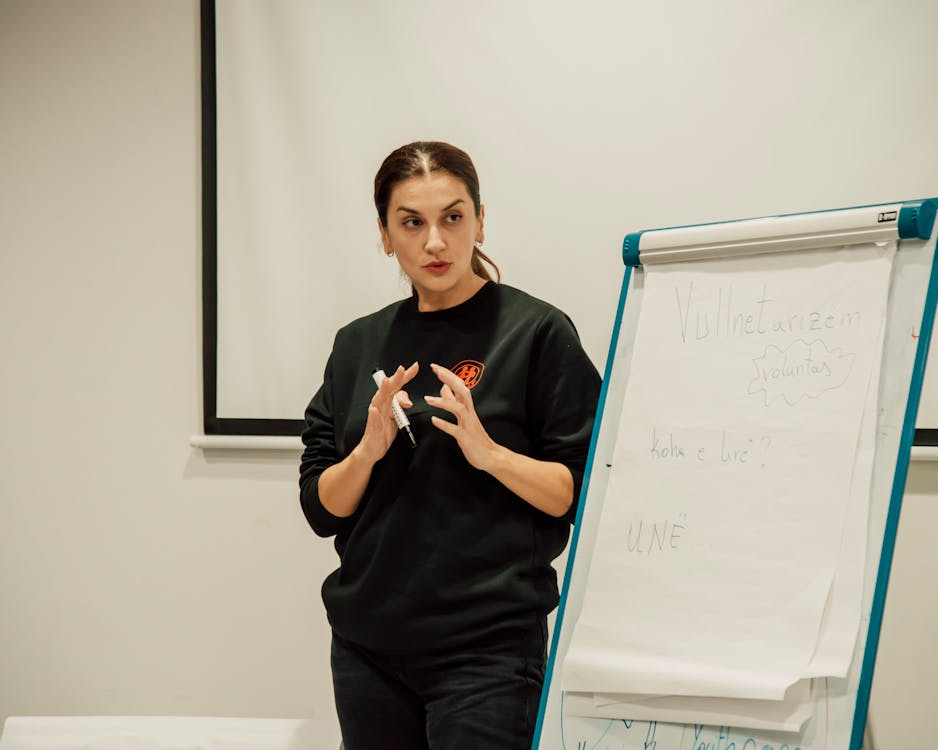
Discover how small group collaboration in European Portuguese classes boosts fluency through active participation, peer feedback, conversation practice, cultural awareness, and confidence for real-world communication.


In today’s digital age, language learning apps offer convenience, but they cannot fully replace the benefits of in-person instruction. At a language training center in Longmont, learners receive structured guidance, real-time feedback, and interactive practice that self-study apps often lack. These advantages create a more effective and engaging learning experience, helping students develop confidence, accuracy, and fluency faster.
One of the biggest advantages of face-to-face learning is personalized instruction. Instructors can assess individual strengths and weaknesses, adapting lessons to suit each student. Unlike apps, which follow a rigid program, classroom teachers provide tailored guidance, ensuring that learners progress efficiently and receive support where they need it most.
In-person classes allow for instant correction of mistakes in pronunciation, grammar, or word usage. Immediate feedback prevents learners from internalizing errors and helps them develop accurate language habits. Self-study apps often provide delayed or automated feedback, which can limit understanding and slow the learning process.
Speaking and listening are crucial aspects of language learning. Face-to-face environments encourage real-time conversation with instructors and peers, helping learners develop natural intonation, rhythm, and comprehension. Apps cannot replicate dynamic dialogue or adjust responses based on context, making in-person practice essential for fluent communication.
Learning in a classroom provides social engagement that self-study apps cannot match. Group activities, discussions, and collaborative exercises create a supportive environment where students feel motivated and accountable. Peer interaction also exposes learners to diverse accents, perspectives, and communication styles, enriching the overall learning experience.
Understanding culture is vital for meaningful communication. Instructors can teach gestures, idiomatic expressions, and social norms in context, helping students use the language appropriately. Apps often lack this cultural depth, leaving learners with theoretical knowledge but limited real-world application.
A classroom setting provides structure and routine, which are essential for consistent progress. Regular schedules, clear objectives, and focused sessions help students stay disciplined. Self-study apps rely heavily on individual motivation, which can lead to irregular practice and slower advancement.
Face-to-face instruction builds confidence through guided practice and supportive feedback. Learners become comfortable speaking and making mistakes in a safe environment, preparing them for real-world conversations. Confidence gained in class translates directly to professional, social, and travel situations.
While language learning apps offer flexibility, face-to-face instruction at a language training center provides unmatched benefits. Personalized guidance, immediate feedback, social interaction, cultural insight, and structured learning combine to create a faster, more effective path to fluency.
Join face-to-face language classes at Journey Language Center in Boulder, Denver, or Longmont. Experience a full language training center with personalized instruction and cultural insights. Enroll today and start speaking confidently in real-life situations.